APAC / English
 Latin America / Español
 India / English
 France / Français
 Africa / English
 Europe / English
 US / English
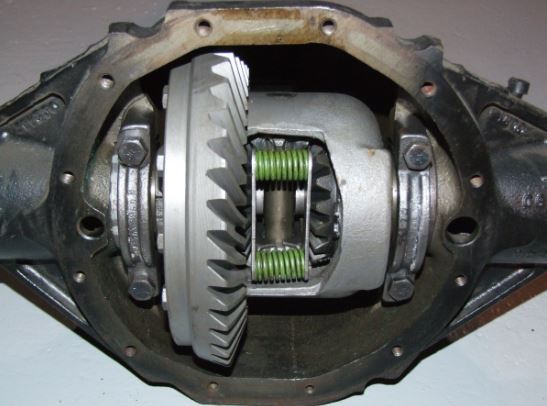
A differential is a set of gears that allows a vehicle’s driven wheels to revolve at different speeds when going around corners or over rough terrain. Those gears require lubrication, which is commonly called differential fluid, gear oil, or gear lube.
How often you should change differential fluid depends on your vehicle, driving conditions and fluid quality. If you drive primarily on the highway in temperate conditions and rarely tow or haul, you won’t need to change the differential fluid very often.
However, severe operating conditions break down differential fluid more quickly and place greater stress on the gears and bearings, inviting wear that reduces their lifespan.
Greater Capacity, Less Lubrication.
Motor oil viscosity is often reported using the Society of Automotive Engineers (SAE) J-300 chart. The chart shows the minimum and maximum allowable thresholds a motor oil must meet to be rated for the specified viscosity.
The oil’s winter, or “W”, rating, is determined based on its cold-crank performance, which simulates an engine turning over at progressively colder temperatures. The oil’s ability to flow at progressively colder temperatures is also measured. The lower the “W” rating (e.g. 0W), the faster the oil flows when cold and the easier your engine turns over to start.
The second number (e.g. the “20” in 5W-20) is determined based on the oil’s viscosity once your engine reaches operating temperature, or 100ºC .
Increased Temperatures
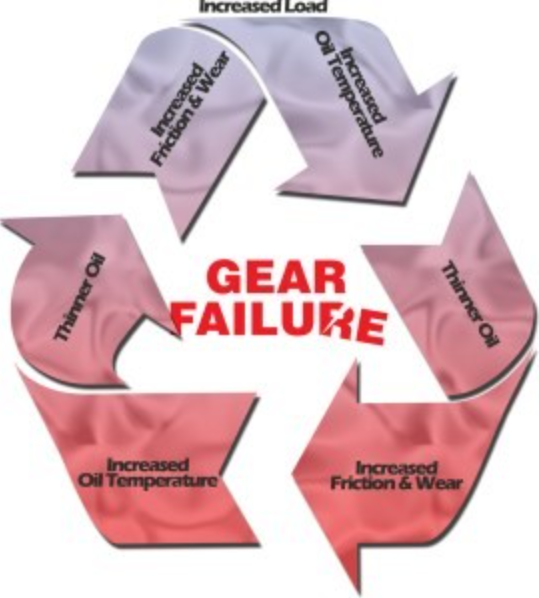
As temperatures rise, lubricants lose viscosity and the extreme pressure between gears can shear the lubricant film, causing increased metal-to-metal contact, friction and heat. Friction and heat create a vicious cycle known as thermal runaway that spirals upward, leading to increased wear and potential gear failure.
Severe Service
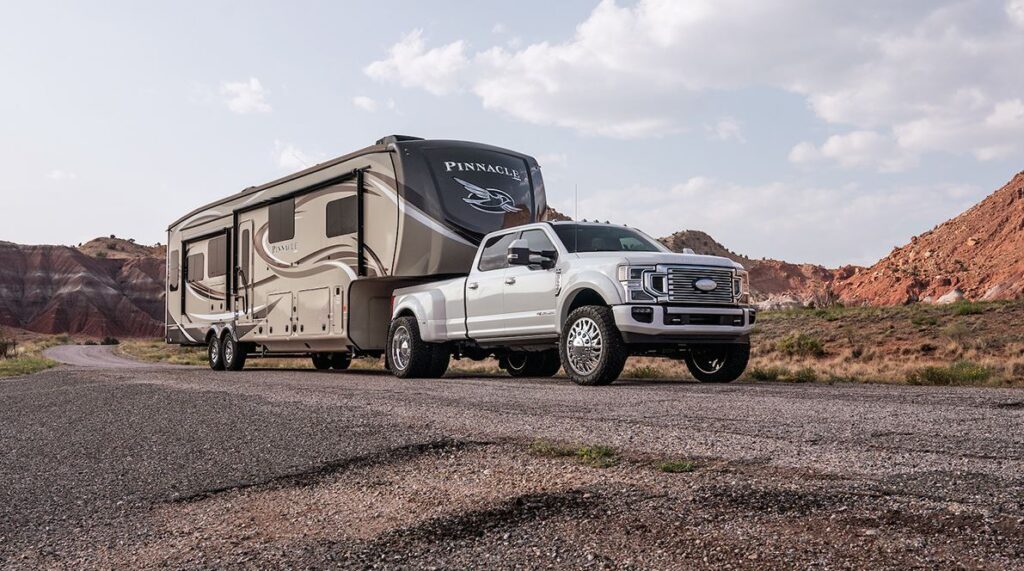
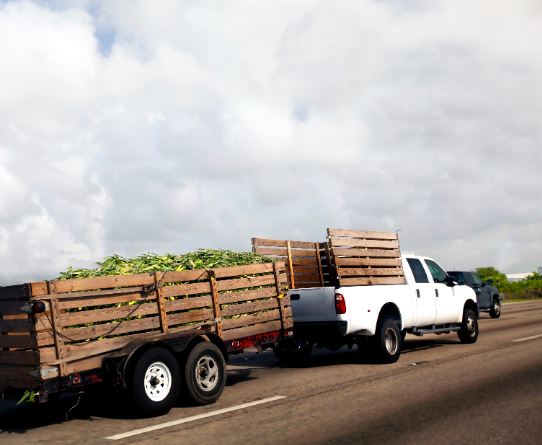
If you tow a trailer or haul heavy loads frequently, especially in warmer temperatures, most manufacturers recommend changing the differential fluid more often, sometimes as often as every 30,000 miles. This applies to most work trucks and anyone who pulls a camper, boat or trailer regularly
The best way to determine the recommended mileage interval for differential fluid changes is to check your owner’s manual. Use a high-quality synthetic gear oil to reduce gear wear and maximize your vehicle’s ability to tow and haul.
Easy-Pack
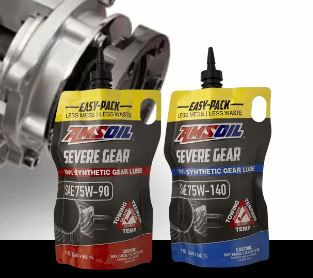
AMSOIL SEVERE GEAR Synthetic Gear Lube is specifically designed for severe service. It maintains viscosity better than other gear lubes under rigorous use and contains advanced anti-wear additives for additional protection.
SEVERE GEAR often costs less than OEM-branded gear oil, and the AMSOIL Easy-Pack eliminates the frustrations of changing gear oil. Its flexible design lets you easily reach inconvenient fill holes and squeeze all the gear lube out of the package. Less mess, less waste, less frustration.